
From slots to live tables: a practical guide to casino game options
Casino game libraries can range from quick-play slots to live table sessions hosted by dealers, and each format offers a different pace, set of rules, and level of interaction. A practical comparison starts with more than game titles: consider how the games work, what the displayed limits mean, and whether the Vegas Hero platform explains its terms clearly. This guide outlines the main options and offers a measured way to explore them, with responsible play, age restrictions, and local rules kept in view.

What players should compare before choosing casino games
Slots are generally easy to enter: choose a stake, start a round, and let the game’s rules determine the result. Their themes, paylines, bonus rounds, and pace vary widely, so checking a game’s help screen is useful before playing. Table games such as blackjack, roulette, and baccarat require closer attention to rules and decisions. Live dealer versions add a real-time presentation, while automated versions use a digital interface. Neither format guarantees a particular result; casino games involve chance, and outcomes can differ from one round to the next.
Compare game information as carefully as the selection itself. Look for clear explanations of the rules, minimum and maximum stakes, round speed, and any special features. For slots, the paytable and volatility description can help explain how a game is designed, but they cannot predict an individual session. For table games, check the variant: blackjack rules, roulette wheel type, and side bets may differ. Also review the platform’s licensing information, account conditions, payment terms, and responsible gambling tools before depositing. If details are difficult to find, pause rather than relying on assumptions.
How to explore a casino game library
A deliberate start makes it easier to understand the options without rushing into a deposit. Read the rules first, then decide whether a game’s pace and format suit your preferences. Where a free-play or demo mode is available, it can help you learn controls and features without wagering real money; it does not change the odds or guarantee future results. If you choose to play for money, set limits in advance and treat the activity as entertainment, never as a way to earn income or recover losses.
- Check eligibility: Confirm you meet the legal age requirement and that online gambling is permitted where you live.
- Review the platform: Read licensing, account, privacy, payment, and withdrawal information before sharing personal details.
- Choose a format: Compare slots, digital table games, and live dealer tables by rules, pace, and interaction.
- Learn the rules: Open the game instructions and check stakes, special features, and any available practice mode.
- Set boundaries: Decide on a spending and time limit before play, and stop when either limit is reached.
- Practice modes can help familiarize you with controls without real-money stakes.
- Game help screens explain rules and features before a round begins.
- Pre-set limits make it easier to keep entertainment spending controlled.
- Checking local rules helps ensure you use only permitted services.
Practical differences between slots and live tables
Slots are often suited to short, self-paced rounds. A player can usually choose from different themes and mechanics, including paylines, ways-to-win formats, and bonus features. Before starting, inspect the paytable for symbol values and feature rules, and check whether the displayed stake applies per spin or in another way. A game’s volatility describes the pattern of potential payouts in general terms, not a forecast. It should not be treated as a signal that a win is due. Keep each choice within a budget you can afford to lose.
Table games reward familiarity with their procedures, but knowing the rules does not remove chance or ensure an advantage. Blackjack involves decisions such as whether to hit or stand, while roulette offers bets on numbers, colors, or groups of outcomes. Baccarat commonly centers on selecting a player, banker, or tie outcome, with specific rules determining the deal. In a live studio, a dealer manages the round and a video stream shows play in real time; digital versions present the actions through software. Consider stream quality, table limits, and round pace when comparing formats.
- Slots: Check the paytable, stake controls, bonus rules, and game speed.
- Blackjack: Confirm the rules for doubling, splitting, dealer decisions, and payouts.
- Roulette: Identify the wheel variant and available inside and outside bets.
- Baccarat: Review the available betting options and the game’s dealing rules.
- Live tables: Check minimum and maximum stakes, language options, and expected pace.
These distinctions help match a format to the kind of experience you want, not to a promise of better results. A fast slot can make it easy to play more rounds than intended, while live tables may involve waiting between hands or spins. Use session reminders or time limits if available, and take breaks. Avoid increasing stakes to chase losses. If gambling stops feeling like entertainment or begins affecting finances, relationships, or wellbeing, stop and seek support from a suitable local service.
Useful casino features and player benefits
A well-organized casino experience can make it easier to compare games and understand what you are selecting. Search and filter tools may sort a library by category, provider, or feature, while game instructions let you check rules before play. Demo access, when offered, provides a low-pressure way to explore controls. These tools support informed choices; they do not change a game’s underlying odds. Promotions, if present, should be read with particular care: review eligibility, wagering requirements, expiry dates, and withdrawal conditions rather than judging an offer by its headline alone.
- Clear game guides: Help explain rules, symbols, payouts, and special mechanics.
- Category filters: Make it simpler to distinguish slots, table games, and live dealer options.
- Practice access: Lets players learn interfaces without staking real money where available.
- Responsible play controls: May include deposit limits, time reminders, breaks, and self-exclusion.
Useful features are those that support understanding and control. Check whether limits can be set before play and whether a time-out or self-exclusion option is available. Read the terms for any bonus before opting in, since restrictions may apply to eligible games, stake sizes, or withdrawals. A promotion is not a reason to gamble, and a player should never deposit more than they can comfortably afford to lose. If an offer’s conditions are unclear, ask the operator for an explanation or choose not to participate.
Trust, security, and responsible play
Before creating an account, verify that the operator is authorized to serve your location. A legitimate service should make its licensing details, legal terms, privacy information, and customer support routes accessible. Check how identity verification works, what data is collected, and how payment and withdrawal procedures are described. Use a unique password and protect access to your email and payment accounts. These steps can reduce avoidable risks, but no website or security measure can remove every risk. Do not share account credentials, and contact the operator through its official support channel if you notice activity you do not recognize.
Responsible gambling measures are essential because casino games involve financial risk. Set a firm budget using money reserved for entertainment, and do not borrow, use essential funds, or chase losses. Decide on a time limit before beginning and stop when it is reached, whether the session is going well or poorly. If you feel pressure to hide gambling, spend beyond your means, or play to manage difficult emotions, take a break and seek confidential help from a gambling support service available in your area. Self-exclusion and account limits can provide additional barriers, but reaching out to a trusted person or professional may also help.
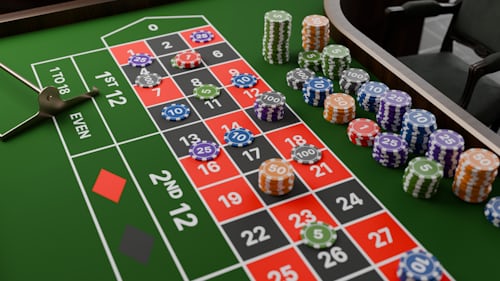
Choosing a casino game format that fits your preferences
The right format depends on what you value: quick rounds, detailed rules, a live presentation, or a quieter digital interface. Compare games by their instructions, stake ranges, pace, and available controls rather than by dramatic themes or claims about winning potential. Slots can offer straightforward mechanics, while table games may suit players who enjoy learning procedures and making choices within set rules. Live dealer games add a human host and real-time stream, but their pace and table limits may not suit everyone. None of these formats can guarantee a payout, and no strategy can remove the financial risk.
Before playing, confirm that the service is legal where you are, review the terms, and set limits that protect your finances and time. Use practice options when available, and walk away whenever play stops feeling enjoyable or controlled. A thoughtful comparison helps you choose an experience based on its actual rules and pace, not on expectations of profit. If you are uncertain about a game, a payment term, or your ability to stay within limits, pause and get clear information before taking any further step.


 www.optimizacion-online.com